Denver asphalt repair is not just about fixing cracks or potholes—it’s about protecting your investment against Colorado’s extreme climate, heavy traffic, and long-term wear. From residential driveways to commercial parking lots and private roads, properly maintained asphalt plays a critical role in safety, curb appeal, and long-term cost savings.
If you’re searching for reliable asphalt repair Denver services, exploring asphalt paving Denver options, or considering an asphalt overlay as an alternative to full replacement, understanding how asphalt behaves in this region is essential to making the right decision.
Why Asphalt Repair in Denver Is Unique
Denver’s climate is one of the most demanding in the country for asphalt pavement. Large temperature swings, intense UV exposure, snow, ice, and frequent freeze-thaw cycles all contribute to accelerated pavement deterioration. Over time, these environmental stressors dry out asphalt binders, allow moisture to penetrate the surface, and weaken the pavement structure from the inside out.
Without proactive asphalt repair, small surface issues can quickly turn into major structural failures. Freeze-thaw cycles cause existing cracks to expand, snowplows place additional stress on surface layers, heavy traffic compounds wear, and de-icing chemicals seep into unsealed pavement. Because of these conditions, Denver asphalt repair projects require experienced contractors who understand local soil conditions, drainage requirements, and seasonal weather challenges.
Common Asphalt Problems Property Owners Face
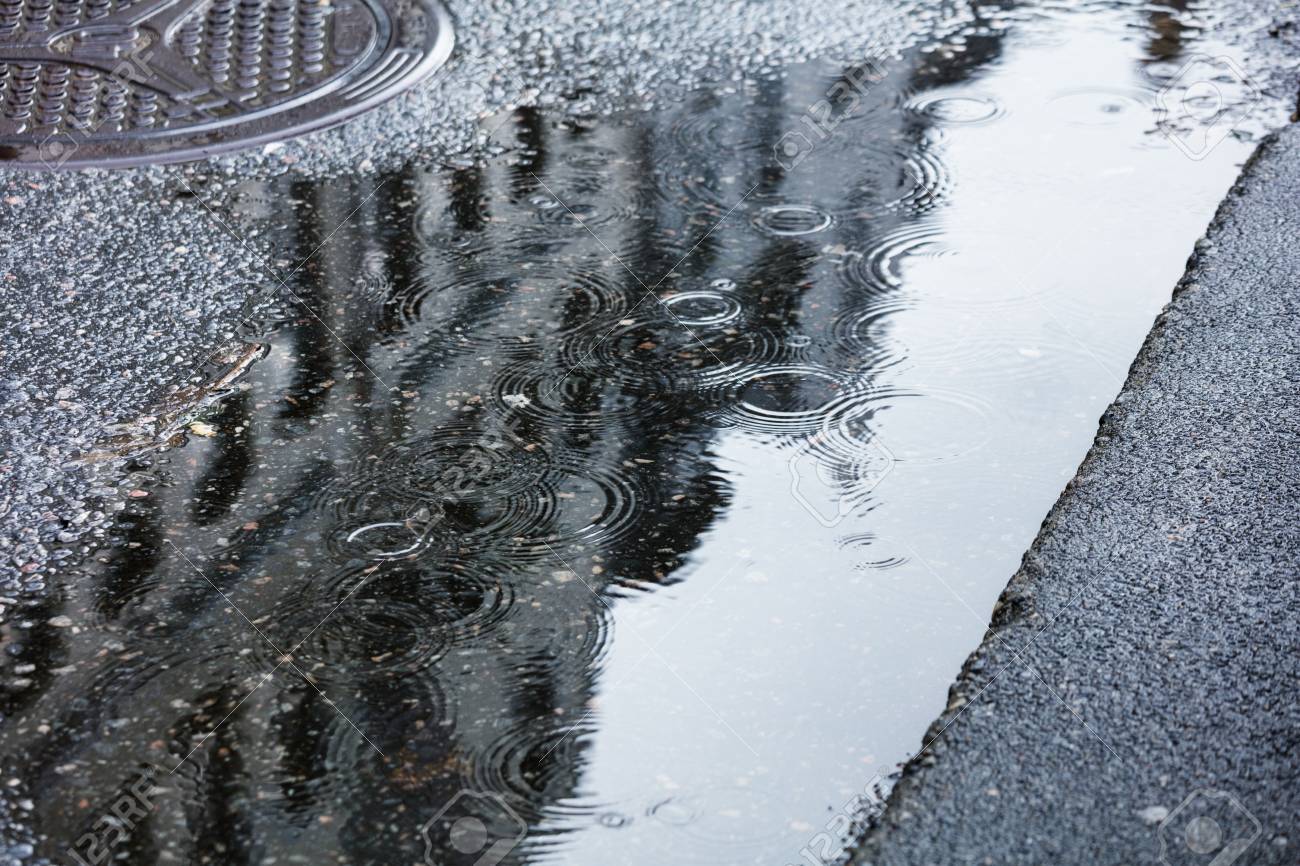
Identifying asphalt issues early is the key to minimizing repair costs and extending pavement life. In Denver, common pavement problems include various forms of cracking such as longitudinal, transverse, and alligator cracking. Potholes frequently develop when water infiltrates cracks and compromises the base beneath the asphalt. Raveling occurs as aggregate loosens from the surface, while oxidation causes asphalt to turn gray, brittle, and more prone to cracking. Poor drainage can also lead to standing water, which accelerates pavement failure.
When these problems are ignored, they often escalate beyond simple repair and require full pavement replacement rather than manageable, cost-effective solutions.
Denver Asphalt Repair: Most Effective Solutions
Choosing the right asphalt repair method depends on the current condition of the pavement, traffic volume, and long-term performance goals. One of the most effective and affordable services is crack sealing. Crack sealing prevents water infiltration, slows crack expansion, and extends pavement life by several years when applied early. It is especially effective as a preventative maintenance strategy before cracks spread and interconnect.
Pothole repair is another critical service, as potholes present both safety hazards and liability risks. Professional pothole repair involves removing failed asphalt, repairing compromised base material, and installing properly compacted hot-mix asphalt. Timely pothole repair is particularly important for high-traffic parking lots, roadways, and commercial properties.
Asphalt patching is used when localized areas of pavement have failed but the surrounding asphalt remains structurally sound. This method is ideal for isolated alligator cracking, utility cut repairs, or small sections with base damage. High-quality patching restores structural integrity and prevents damage from spreading to adjacent areas.
Asphalt Overlay: A Smart Alternative to Replacement
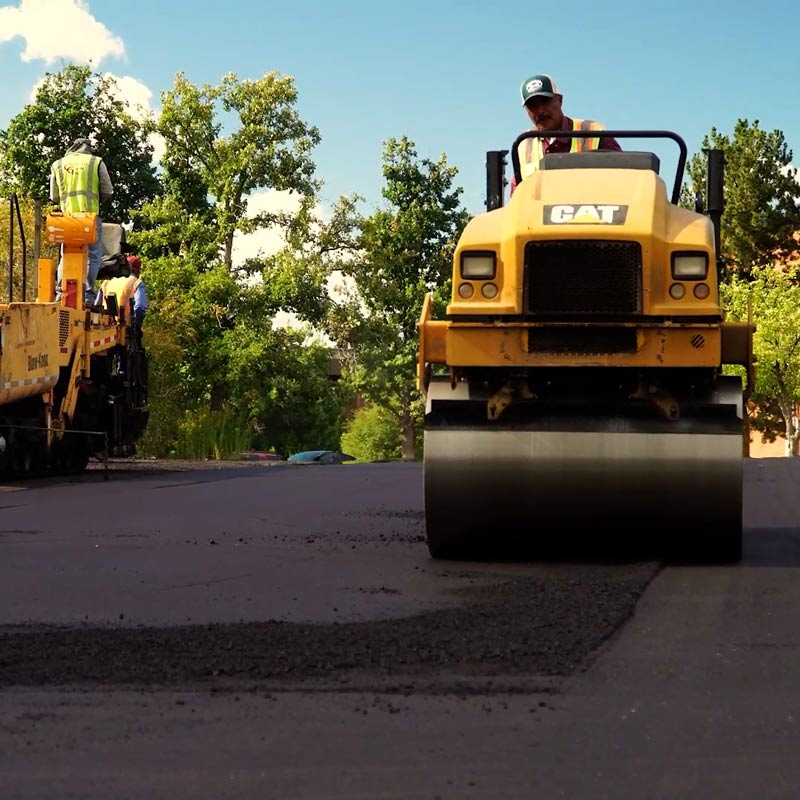
An asphalt overlay is one of the most popular solutions for aging pavement in Denver when the underlying base remains in good condition. A mill and overlay is a pavement rehabilitation process that restores asphalt without full reconstruction. The process begins with milling, where the top layer of deteriorated asphalt is precisely removed using specialized equipment. This eliminates surface damage such as cracking, ruts, and oxidation while maintaining proper grades, drainage, and curb reveals.
Once milling is complete, a new layer of hot-mix asphalt is installed over the prepared surface. This overlay creates a smooth, durable driving surface that improves ride quality, appearance, and structural performance. When the underlying base is sound, a mill and overlay provides a cost-effective, long-lasting solution that extends pavement life by 10 to 15 years with significantly less disruption than full replacement.
We recently completed a 185,000-square-foot mill and pave project right here in Denver, Colorado, showcasing how effective this solution can be for large commercial properties.
Asphalt overlays are cost-effective compared to full replacement, allow for faster project timelines, improve aesthetics, enhance ride quality, and reduce downtime for businesses and communities. For many properties, an asphalt mill and overlay is the ideal middle-ground solution.
An overlay works best when the existing pavement base is structurally sound, surface distress is moderate, drainage issues are addressed beforehand, and cracking is not widespread or deeply structural. A professional asphalt paving Denver contractor can evaluate whether an overlay is the right choice for your property.
Asphalt Paving: Pavement Replacement vs. Repair
Property owners often wonder whether repair, overlay, or full replacement is the best option. Asphalt repair services are typically recommended when damage is localized, the pavement base remains intact, and budget-conscious maintenance is the goal. Full asphalt pavement replacement is more appropriate when the base has failed extensively, cracking is widespread and structural, or when ongoing repairs would exceed the long-term value of replacement.
One of our experienced estimators can assess your pavement and recommend the most cost-effective, long-term solution for your Colorado property.
The Asphalt Repair Process: What to Expect
Understanding the asphalt repair process helps property owners plan effectively and avoid surprises. A typical project begins with a site inspection and pavement evaluation, followed by identification of structural versus surface issues. Based on these findings, the appropriate repair or overlay method is selected. The surface is then prepared through cleaning, milling, or patching before new asphalt is installed and compacted. Final steps may include striping and a thorough inspection to ensure quality and longevity.
Professional planning ensures minimal disruption and maximum pavement performance.
Preventative Maintenance: The Key to Long-Lasting Asphalt
Preventative maintenance is the most effective way to reduce long-term asphalt repair costs in Denver’s climate. Regular crack sealing, periodic sealcoating, drainage inspections, and routine surface evaluations significantly extend pavement lifespan and delay the need for major repairs or replacement.
Consistent maintenance protects your asphalt investment and keeps surfaces performing safely and efficiently year after year.
Commercial Asphalt Repair
Commercial properties face higher traffic volumes and increased liability exposure, making asphalt maintenance especially important. Parking lots, HOA communities, apartment complexes, retail centers, and industrial facilities all benefit from proactive asphalt repair. Well-maintained pavement improves safety, regulatory compliance, and overall customer and resident perception.
Residential Asphalt Repair and Driveways
Residential asphalt surfaces also benefit greatly from professional repair and maintenance. For homeowners, asphalt repair improves curb appeal, reduces trip hazards, increases property value, and ensures long-lasting driveway performance. Even small repairs can dramatically enhance both appearance and durability.
Choosing the Right Asphalt Paving Contractor in Denver
Not all asphalt contractors are created equal. Choosing the right asphalt paving contractor in Denver means looking for local experience, a proven portfolio of asphalt repair and overlay projects, transparent pricing, detailed scopes of work, and a strong understanding of Colorado’s climate challenges. Clear communication and a commitment to safety are also essential.
The right contractor makes the difference between short-term fixes and long-term pavement performance.
Cost Factors for Asphalt Repair in Denver
Asphalt repair pricing varies based on the extent of pavement damage, the selected repair method, total square footage, traffic control requirements, and time of year. Investing in early repairs often reduces overall costs significantly by preventing more extensive damage.
How Long Does Asphalt Repair Last?
With proper installation and maintenance, crack sealing typically lasts one to three years, asphalt patching lasts three to seven years, asphalt overlays last ten to fifteen years, and new asphalt paving can last twenty to thirty years. Actual lifespan depends heavily on traffic volume, maintenance consistency, and environmental exposure.
Final Thoughts: Asphalt Repair Done Right
Asphalt repair in Denver is an essential investment for protecting your property, ensuring safety, and maximizing pavement lifespan. Whether you need targeted repairs, professional asphalt paving Denver services, or a cost-effective asphalt overlay, choosing the right solution at the right time makes all the difference.
By working with experienced local professionals and prioritizing preventative maintenance, Denver property owners can avoid costly replacements and enjoy durable, long-lasting asphalt surfaces for years to come. If your pavement is showing signs of wear, now is the time to schedule a professional evaluation and take control of your asphalt’s future.