For commercial property owners and managers in Denver, a parking lot does far more than provide a place to park. It sets the tone for your property, influences safety, and plays a major role in how tenants, customers, and visitors perceive your business.
Unfortunately, Denver’s climate with its freeze-thaw cycles, snow removal, and high UV exposure can be especially tough on asphalt. Knowing when to schedule parking lot maintenance or parking lot repair can help you avoid costly issues down the road.
Below are seven common warning signs that indicate your commercial parking lot may need professional attention sooner rather than later.
1. Cracks That Continue to Grow and Spread
Cracking is often the first visible sign that a parking lot is beginning to fail.
While small hairline cracks may not seem urgent, they rarely stay that way in Denver’s climate. Water seeps into even the smallest openings, and when temperatures drop, that moisture freezes and expands.
Over time, cracks widen, multiply, and begin to compromise the asphalt beneath the surface. Left untreated, this damage can quickly escalate into potholes or widespread surface failure.
Early crack sealing is one of the most effective and affordable forms of parking lot maintenance, helping extend the life of your asphalt and delay more extensive repairs.
2. Potholes Are Forming or Getting Worse
Potholes are a clear sign that underlying asphalt damage has already occurred. They develop when moisture penetrates the asphalt base and weakens it over time, eventually causing the surface to collapse under traffic.
In commercial parking lots, potholes are more than just an eyesore. They create serious liability concerns, increase the risk of vehicle damage, and can negatively impact accessibility and tenant satisfaction.
Once potholes appear, professional parking lot repair is necessary to address both the surface and the damaged base below. Temporary fixes often fail quickly, especially in Denver’s unpredictable weather.
3. Faded Striping and Poor Visibility
Parking lot striping plays an essential role in traffic flow, safety, and compliance. When lines become faded or difficult to see, drivers may park incorrectly, traffic patterns can become confusing, and designated ADA or fire lane areas may lose visibility.
In Denver, striping tends to wear down faster due to snowplows, traffic volume, and UV exposure. While faded striping might seem like a minor issue, it often signals that the parking lot surface is aging and may also benefit from sealcoating or other maintenance.
Fresh striping not only improves safety but also enhances the overall appearance of your commercial property.
4. Standing Water After Rain or Snow Melt
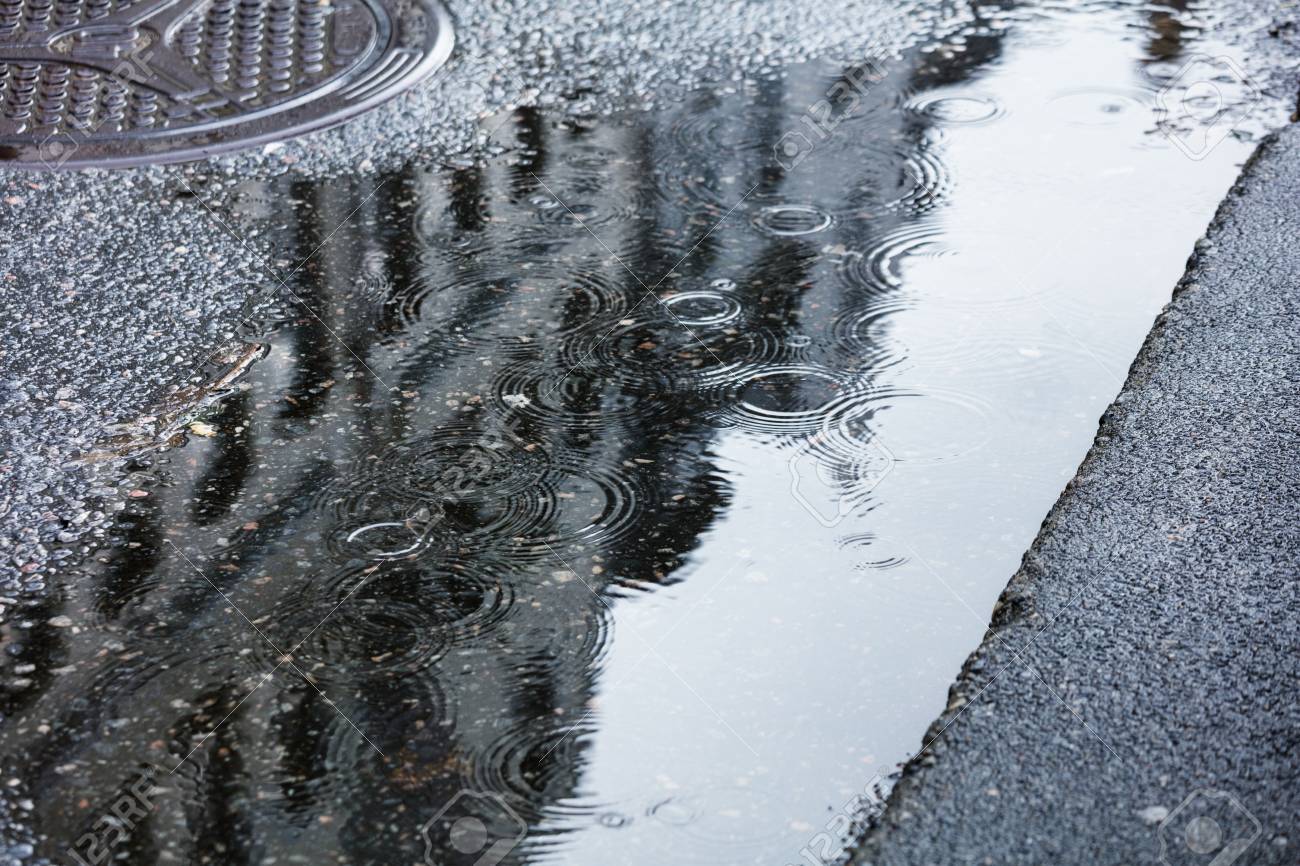
If you notice water pooling in your parking lot long after precipitation has stopped, it’s a warning sign that drainage issues are present. Standing water is one of the most damaging elements for asphalt, especially in Colorado’s freeze-thaw environment.
When water sits on the surface or seeps into low spots, it accelerates cracking, base failure, and winter damage. Poor drainage can be caused by uneven surfaces, depressions, or subbase problems that worsen over time.
Addressing drainage early through targeted parking lot repair or asphalt overlay solutions can prevent widespread deterioration.
5. Fading, Oxidized, or Brittle Asphalt
As asphalt ages, it naturally begins to oxidize, turning from a rich black color to a dull gray. This fading isn’t just cosmetic, it’s a sign that essential oils in the asphalt are drying out.
Oxidized asphalt becomes brittle, making it far more susceptible to cracking and surface breakdown. Denver’s high elevation and intense sun exposure speed up this process compared to many other regions.
Sealcoating is an effective preventative maintenance solution that restores flexibility, protects against moisture intrusion, and significantly extends the life of commercial parking lots when applied at the right intervals.
6. Uneven Areas, Depressions, or Settling
Uneven pavement, dips, or noticeable settling in your parking lot often indicate deeper structural problems. These issues typically stem from subbase failure, inadequate compaction, heavy vehicle traffic, or long-term water infiltration.
In commercial environments, where delivery trucks and service vehicles are common, these weak areas tend to worsen quickly. Uneven surfaces can create trip hazards and drainage problems while signaling that surface-level maintenance alone may not be enough.
Depending on the severity, repairs may involve patching, milling, or installing an asphalt overlay to restore proper grade and stability.
7. An Aging Parking Lot with Little or No Maintenance History
Age alone doesn’t determine the condition of a parking lot, but a lack of maintenance over time almost always does. In Denver, a well-maintained asphalt parking lot can last decades, while neglected pavement may fail in as little as ten to fifteen years.
If your commercial parking lot hasn’t been sealcoated, repaired, or professionally evaluated in years, underlying issues may already be developing beneath the surface.
Scheduling a professional parking lot assessment helps identify whether routine maintenance, targeted repairs, or more comprehensive solutions are needed to protect your investment.
Schedule a Free Parking Lot Assessment with M5 Paving
If your commercial parking lot is showing any of these signs, or if you’re unsure of its current condition, now is the right time to take action.
Proactive parking lot maintenance and timely parking lot repair can save money, reduce liability, and extend the lifespan of your asphalt.
M5 Paving provides professional parking lot maintenance, parking lot repair, asphalt paving, and asphalt overlay services throughout Colorado’s Front Range. Our team will assess your property, explain what we see, and recommend practical solutions tailored to your needs.
Contact M5 Paving today to schedule your free parking lot assessment and make sure small issues don’t turn into major repairs.