Concrete plays a critical role in the functionality and appearance of properties throughout Denver and the Front Range. From residential driveways and sidewalks to commercial aprons and walkways, concrete surfaces are constantly exposed to heavy use and harsh environmental conditions. When damage appears, understanding the most effective concrete repair options helps property owners protect safety, extend surface life, and avoid unnecessary replacement costs.
Colorado’s climate presents unique challenges for concrete. Freeze-thaw cycles, UV exposure, moisture intrusion, and expansive soils all contribute to cracking, settling, and surface deterioration. Selecting the right repair strategy requires a clear understanding of how these conditions impact concrete over time and which methods of repair are best suited for local environments.
Common Causes of Concrete Damage in Denver
Concrete damage rarely occurs without a cause. In the Denver metro area and across the Front Range, freeze-thaw cycles are one of the most common contributors to surface deterioration. Moisture penetrates small cracks, freezes, and expands, gradually widening those cracks and weakening the slab.
Soil movement is another significant factor. Many Front Range soils contain clay that expands when wet and contracts when dry. This constant movement beneath concrete slabs often leads to settling, uneven surfaces, and structural stress. Heavy vehicle traffic, poor drainage, and aging materials can further accelerate the need for professional concrete repair options.
Evaluating the Right Concrete Repair Options
Choosing the correct repair approach begins with a proper assessment of the damage. Not all concrete issues require the same solution, and applying the wrong repair method can lead to premature failure. Understanding the severity, depth, and cause of the damage helps determine which concrete repair strategy will provide lasting results rather than temporary cosmetic improvements.
Crack Repair and Patching Solutions
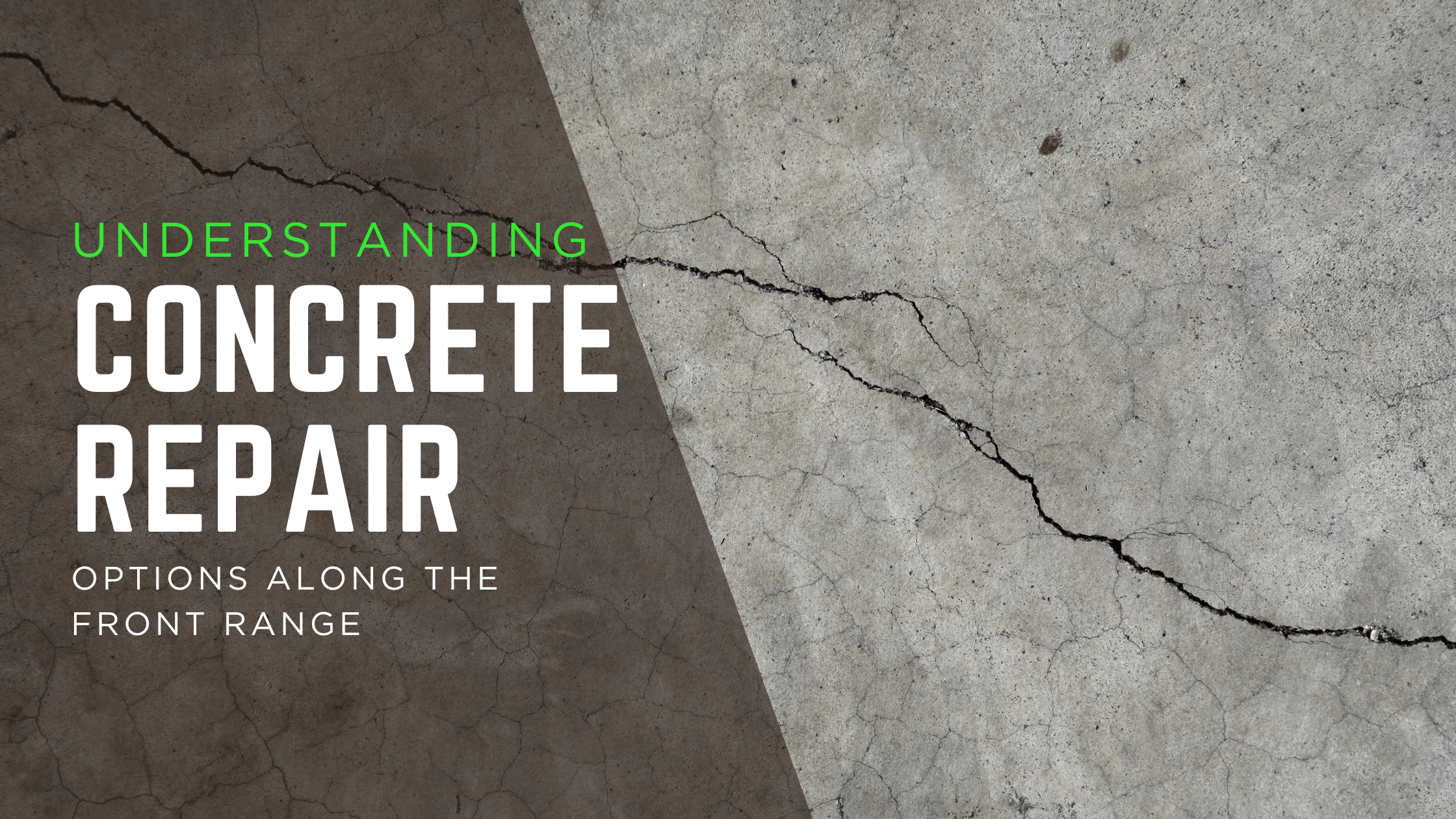
For minor surface cracks that do not compromise the structural integrity of the slab, patching is often one of the most practical concrete repair options. This method involves cleaning the crack, removing loose debris, and applying a specialized repair compound designed to bond with existing concrete.
Crack repair helps prevent moisture intrusion, slows further deterioration, and improves surface appearance. While effective for small and shallow cracks, patching is not recommended for areas experiencing ongoing movement or structural instability. In those cases, more advanced concrete repair options may be required.
Concrete Resurfacing for Worn Surfaces
When concrete surfaces show widespread wear, scaling, or surface imperfections but remain structurally sound, resurfacing may be an ideal solution. Concrete resurfacing involves applying a thin overlay to restore appearance and performance without removing the existing slab.
This option is commonly used for patios, walkways, and driveways throughout Denver where aesthetics matter but full replacement is unnecessary. As one of the more versatile concrete repair options, resurfacing can extend the life of concrete while delivering a clean, uniform finish that stands up to Front Range weather conditions.
Addressing Uneven Concrete with Slab Lifting
Uneven concrete presents both safety hazards and drainage problems. When slabs sink due to soil erosion or compaction issues, surface repairs alone are insufficient. In these cases, slab lifting techniques are among the most effective concrete repair options.
Mudjacking and polyurethane foam injection are commonly used methods to stabilize and lift settled concrete. Both techniques restore slabs to their proper elevation without the disruption and cost of full replacement. These solutions are particularly effective for sidewalks, driveways, and patios affected by soil movement in the Denver area.
When Concrete Replacement Is the Best Option
Some concrete surfaces reach a point where repair is no longer cost-effective. Extensive cracking, severe spalling, or repeated failures often indicate that the slab has exceeded its useful lifespan. In these situations, full removal and replacement becomes the most reliable of all concrete repair options.
Replacement allows contractors to address underlying soil issues, install proper reinforcement, and ensure correct thickness and drainage. While this option carries a higher upfront cost, it eliminates recurring problems and provides long-term durability, especially in high-traffic or load-bearing areas.
The Role of Preventative Maintenance in Concrete Longevity
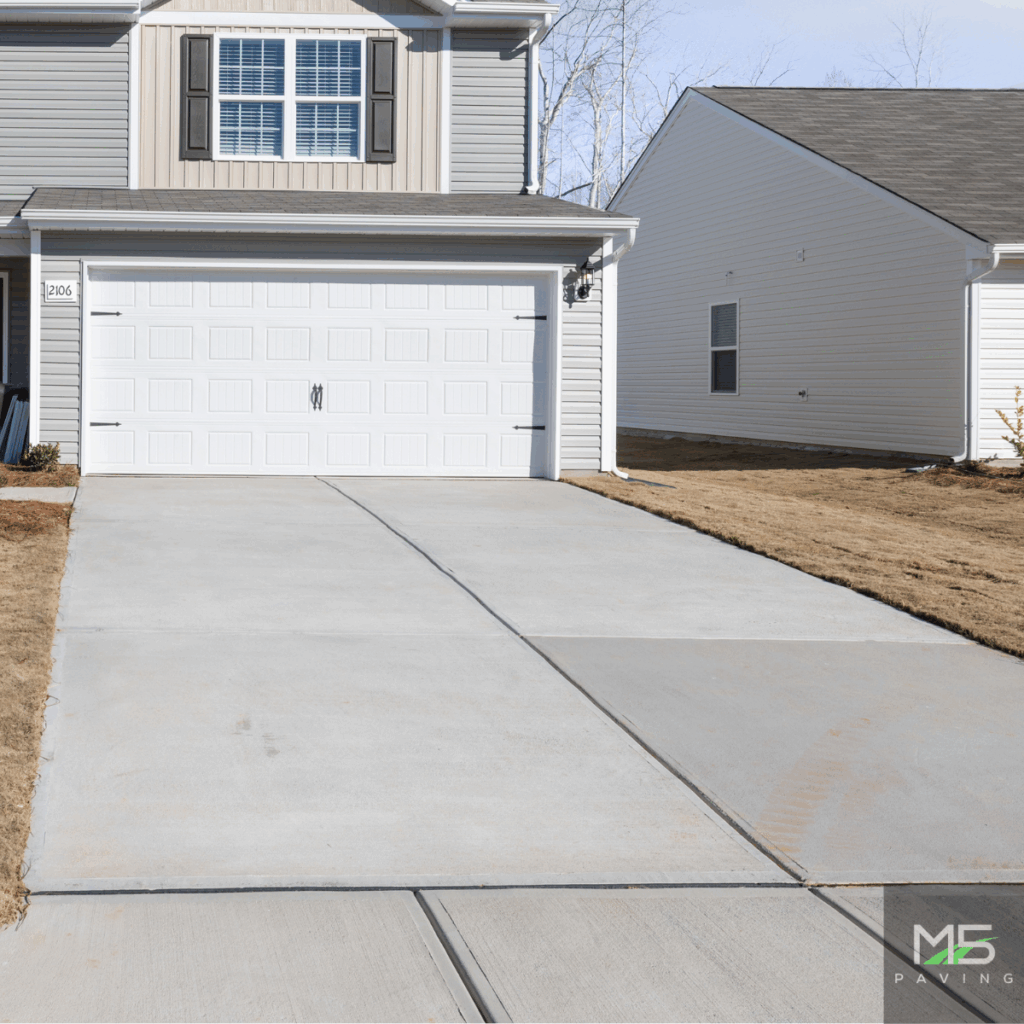
Preventative maintenance plays an important role in supporting all your concrete’s longevity.
Keep your concrete clean and free from debris. Also, be sure to address and clean up any spills as soon as possible.
Lastly, inspecting your concrete for cracks or lifting on a regular basis is crucial. Cracks and lifting can lead to moisture penetrating the base and causing damage that may result in a needing a full replacement.
If you notice cracks or lifting, get in touch with a professional concrete contractor near you.
Trusted Resources on Concrete Performance and Repair
Understanding concrete behavior and repair techniques is easier with reliable technical guidance. The American Cement Association provides in-depth educational resources on concrete durability, repair materials, and best practices that help property owners make informed decisions.
Additional technical insights can also be found through the National Ready Mixed Concrete Association, which offers guidance on concrete performance and long-term maintenance considerations.
These resources reinforce the importance of choosing concrete repair options that address both visible damage and underlying causes, especially in regions with challenging environmental conditions like the Front Range.
Why Professional Evaluation Matters
While minor repairs may seem manageable without professional assistance, improperly applied repairs often fail prematurely. Professional contractors understand how local climate, soil conditions, and usage demands affect concrete performance. Their experience ensures that selected concrete repair options are appropriate, durable, and cost-effective.
A professional evaluation can identify hidden issues such as subgrade instability or drainage problems that surface repairs alone cannot resolve. This expertise helps property owners avoid repeated repairs and escalating costs.
Concrete Repair Solutions for Denver and the Front Range
At M5 Paving, we specialize in concrete repair solutions tailored to the unique demands of Denver and the Front Range. Our team evaluates each project carefully and recommends the most effective concrete repair options based on surface condition, usage, your budget, and long-term goals. From crack repair and resurfacing to slab lifting and full replacement, we deliver durable solutions designed for Colorado conditions.
Schedule a Free Concrete Repair Estimate
If your concrete surfaces are showing signs of damage, addressing the issue early can save time and money.
Contact M5 Paving today to schedule a free concrete repair estimate. Our experienced team will help you determine the best concrete repair options for your Denver or Front Range property and restore safety, performance, and curb appeal with confidence.